
A water well that isn’t producing enough water can quickly become a serious concern for homeowners, ranchers, agricultural operations, and rural properties throughout Southwest Colorado and the Four Corners region. Whether you’re experiencing reduced water pressure, running out of water during everyday use, or noticing that your well takes longer to recover, declining well production can disrupt your household or business.
Fortunately, a low-yield water well doesn’t always mean you need to drill a new one. In some cases, professional well inspections, pump system adjustments, rehabilitation, or additional water storage can improve the reliability of an existing water supply.
At DAK Drilling & Well Service, we help property owners evaluate water well performance, identify potential problems, and explore practical solutions for restoring or improving water availability. Serving Southwest Colorado and surrounding communities since 1974, our team understands the challenges associated with groundwater conditions, aging well systems, and water supply demands in the Four Corners region.
What Is a Low-Yield Water Well?
A low-yield water well is a well that produces water at a relatively slow rate or cannot consistently supply enough water to meet a property’s needs. Well yield is commonly measured in gallons per minute (GPM), which indicates how much water a well can sustainably deliver under specific pumping conditions.
Some wells naturally produce less water because of the surrounding geology, while others experience declining production over time due to mineral buildup, sediment accumulation, changes in groundwater conditions, or mechanical problems.
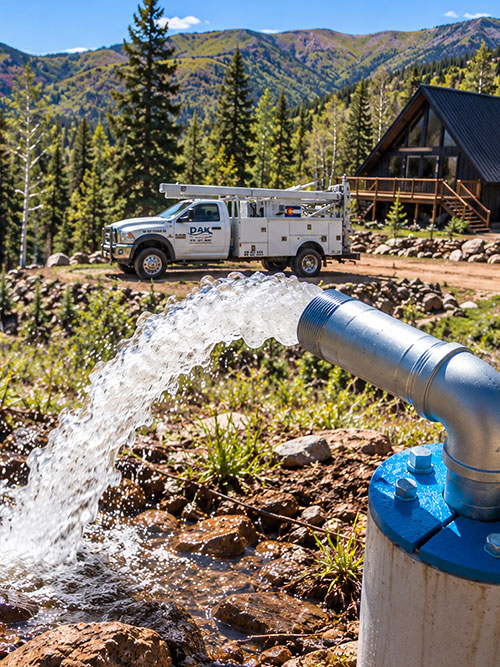
We Provide Solutions for Well Owners
Importantly, low well yield and low household water pressure are not necessarily the same problem. A well may produce adequate water while a failing pump or pressure system limits delivery. Conversely, a pump may deliver strong pressure temporarily even though the well cannot sustain that flow. Contact us to schedule a well inspection.
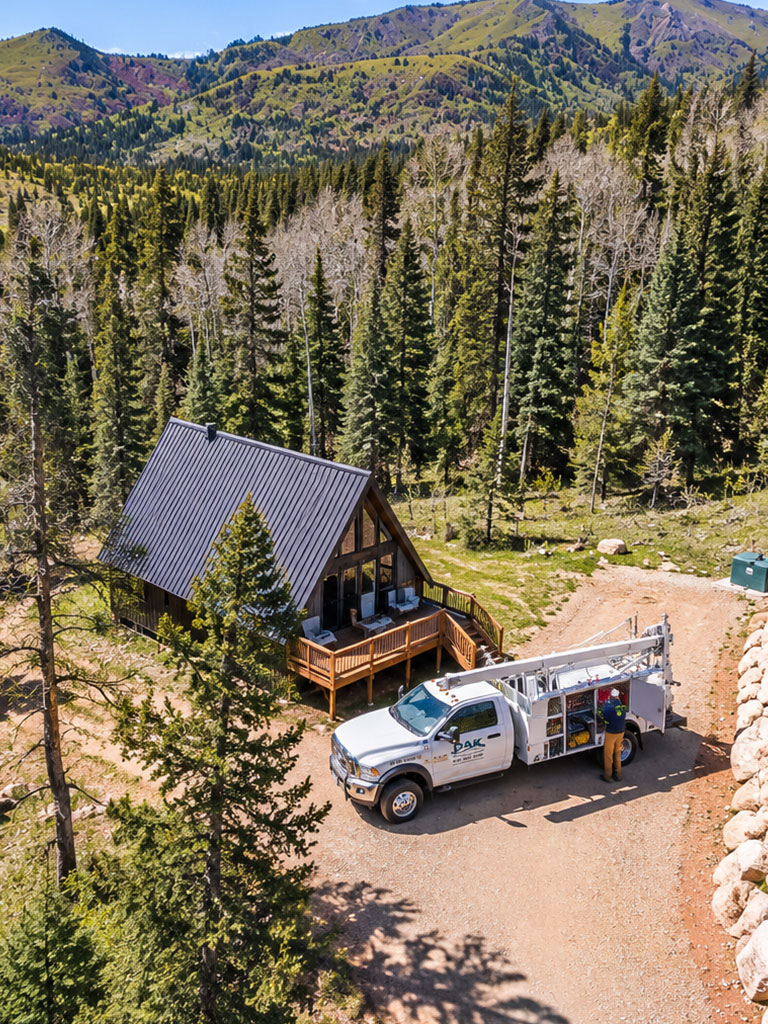
How Many Gallons Per Minute Should a Water Well Produce?
The amount of water a property needs depends on household size, daily usage, irrigation demands, livestock, and available water storage.
| Well production | General considerations |
|---|---|
| Less than 1 GPM | Very low production; storage and careful demand management may be essential. |
| 1–3 GPM | May support some households with adequate storage and appropriate system design. |
| 3–5 GPM | Can serve many residential applications, depending on actual demand and recovery. |
| 5–10 GPM | Often provides greater flexibility for household water usage. |
| 10+ GPM | May support higher demands, subject to sustainable yield and water rights. |
These are general illustrations, not guaranteed performance standards. A well’s sustainable production, recovery rate, storage capacity, and actual water demand are more important than any single GPM number.
For example, a well producing just 1 GPM continuously could theoretically replenish approximately 1,440 gallons over 24 hours. However, actual recovery and pumping schedules must be evaluated before assuming that volume is reliably available.
Signs Your Water Well Isn’t Producing Enough Water
Why Do Water Wells Lose Production?
Several factors can contribute to declining well yield. Identifying the actual cause is essential because the appropriate solution depends on whether the problem originates underground or within the pumping system.
After many years even a water well that has provided reliable service for decades can begin producing less water. Changes in groundwater levels, mineral deposits, sediment accumulation, aging equipment, and increased household water demands can all affect a well’s ability to maintain a consistent supply. In some cases, declining production happens gradually over several years, while other wells experience a sudden reduction in available water.
Throughout Southwest Colorado and the Four Corners region, groundwater conditions can vary considerably depending on elevation, geology, seasonal precipitation, and the characteristics of underground water-bearing formations. Wells that rely on fractures in bedrock may be especially sensitive to changes in groundwater availability, making it important to understand both the well’s original production capacity and its current performance.
Mineral Buildup and Well Encrustation
Over time, minerals such as iron, calcium, and manganese can accumulate on well screens, fractures, or water-producing openings. These deposits may restrict water movement into the well.
Changes in Groundwater Levels
Seasonal precipitation, drought, groundwater recharge, and changes in nearby groundwater use can affect water availability. Wells in fractured rock formations may be particularly sensitive to local groundwater conditions.
Aging or Malfunctioning Pump Equipment
A worn pump, damaged impellers, electrical problems, improperly adjusted controls, or an incorrectly sized pump can make a productive well appear inadequate.
Increased Property Water Demand
A well that adequately supplied a property for decades may struggle after additional bathrooms, irrigation systems, livestock facilities, or other water-consuming improvements are added.
Well Construction and Geological Limitations
Some wells naturally have limited groundwater access because of local rock formations, aquifer characteristics, well depth, or the location of productive fractures.
Sediment and Fine Material Accumulation
Sand, silt, and other materials can collect within portions of a well or obstruct water-producing zones, potentially reducing performance.
Service Area
We provide water well testing throughout:
- Durango
- Bayfield
- Ignacio
- Hesperus
- Vallecito
- Pagosa Springs
- Cortez
- Surrounding La Plata County areas
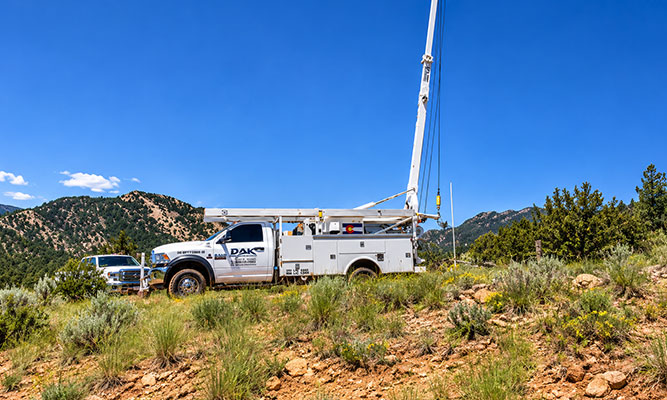
How to Fix a Low-Producing Water Well
There is no single solution for every low-yield well. The most effective approach begins with determining why the well is underperforming and whether the problem can be corrected without drilling a replacement.
1. Professional Water Well Inspection and Flow Testing
Before making major repairs, a professional evaluation can help determine whether the problem is related to the groundwater source, pumping equipment, or overall water system.
A well evaluation may include measuring the static water level, monitoring water-level drawdown during pumping, evaluating recovery rates, and reviewing pump performance.
DAK offers well inspections, pump testing, and downhole camera inspections to help identify underlying problems and determine the next steps.
2. Water Well Rehabilitation and Cleaning
Depending on the condition and construction of the well, rehabilitation techniques may help restore production that has declined because of mineral deposits, sediment accumulation, or obstructed water-producing zones.
Possible approaches include mechanical cleaning, well redevelopment, or specialized rehabilitation methods appropriate for the well’s construction.
Not every well is a candidate for rehabilitation, and results cannot be guaranteed. An evaluation helps determine whether rehabilitation is technically appropriate and economically worthwhile.
3. Well Pump Repair or Replacement
Sometimes the groundwater supply is adequate, but the pumping equipment is not operating correctly.
Worn pumps, failing motors, pressure controls, or electrical problems can restrict water delivery. Repairing or replacing the affected equipment may restore normal performance without modifying the well itself.
DAK provides professional pump repair, replacement, and system troubleshooting throughout the Four Corners region.
4. Installing a Water Storage Cistern
A PRACTICAL SOLUTION FOR MANY LOW-YIELD WELLS
One of the most effective ways to manage a naturally low-producing well is to combine it with a properly sized water storage cistern.
Instead of requiring the well to supply water at the exact moment it is needed, a cistern allows water to accumulate gradually. A separate booster pump and pressure system can then deliver water to the home during periods of higher demand.
For example, a well producing only 0.5 GPM could theoretically supply approximately 720 gallons per day if that production were sustainable continuously. With adequate storage, that may be sufficient for certain households even though the well cannot directly support several fixtures running simultaneously.
A cistern does not increase the groundwater entering the well. Instead, it allows property owners to make better use of the water their well can reliably produce.
DAK installs cisterns, booster pumps, pressure systems, and integrated household water systems specifically designed for properties with low-producing wells.

DAK Drilling & Well Service LLC
+1
5. Drilling a Replacement or Supplemental Water Well
When an existing well cannot provide sufficient water, rehabilitation is unsuccessful, or the well has structural problems, drilling a new water well may be the most practical long-term solution.
Replacement well planning should consider local geology, nearby well records, intended water use, site accessibility, permitting requirements, and available groundwater.
A supplemental well may also be considered in some situations, although feasibility depends on applicable water rights, permitting, and site conditions.
DAK provides new and replacement water well drilling and can help property owners evaluate available options before committing to a major project.
Can a Low-Yield Well Supply an Entire Household?
Yes. In certain circumstances, a low-yield well can provide sufficient water for a household, particularly when water consumption is carefully managed and an appropriately designed storage system is installed.
A well’s GPM rating does not tell the entire story. The total volume of water available throughout the day can be more important than the instantaneous flow rate.
Consider these simplified examples:
| Sustainable well yield | Theoretical daily production |
|---|---|
| 0.25 GPM | 360 gallons |
| 0.5 GPM | 720 gallons |
| 1 GPM | 1,440 gallons |
| 2 GPM | 2,880 gallons |
| 3 GPM | 4,320 gallons |
These calculations assume uninterrupted, sustainable production for 24 hours. Actual output may be substantially lower because of drawdown, recovery limitations, pump controls, and operating schedules.
A properly designed cistern system can help bridge the difference between slow water production and periods of high household demand.
Low-Yield Water Wells in Southwest Colorado
Groundwater conditions throughout Southwest Colorado can vary significantly from one property to another. Wells in Durango, Bayfield, Hesperus, Ignacio, Pagosa Springs, Cortez, and surrounding mountain communities may encounter different geological formations, water-bearing fractures, and groundwater recharge conditions.
In some locations, a neighboring property may have a productive well while another well nearby produces substantially less water.
This variability makes local experience particularly valuable when evaluating declining well production. Understanding the area’s geology, existing well construction, and regional groundwater conditions helps guide practical decisions about rehabilitation, water storage, pump systems, or replacement drilling.
DAK has served the Four Corners region since 1974, providing well drilling, pump service, inspections, and water system installation for residential, agricultural, and commercial properties.
When Should You Consider Drilling a New Water Well?
Replacing an existing well is a significant investment and should generally follow a thorough evaluation of the current system.
A replacement well may be appropriate when the existing well has serious structural damage, consistently fails to provide sufficient water, cannot be economically rehabilitated, or no longer meets the property’s water requirements.
Before drilling, property owners should consider whether the current water supply can be improved through repairs, rehabilitation, storage, or system modifications.
The goal is not necessarily to drill a deeper well. It is to develop a reliable water supply appropriate for the property’s needs and geological conditions.
Why Choose DAK Drilling for Low-Yield Water Well Problems?
When a well begins losing production, experience matters. DAK Drilling & Well Service has served Southwest Colorado and the Four Corners region since 1974, helping property owners maintain, repair, and develop dependable groundwater systems.
Our team provides professional water well inspections, pump testing, downhole camera evaluations, pump repair and replacement, cistern installation, and new water well drilling.
Rather than assuming every low-producing well needs replacement, we help customers understand their existing systems and evaluate practical options based on well conditions, water requirements, and long-term reliability.
Whether your well is producing less water than it once did or has always struggled to meet demand, DAK can help you determine the next step.
Schedule Your Site Visit
Don’t Let a Low-Producing Well Leave You Without Water
A declining water supply doesn’t always mean your well has reached the end of its useful life. From professional inspections and pump repairs to cistern installation and replacement drilling, there may be several ways to improve your property’s water reliability.
Contact us today to schedule your well inspection and consultation.
Can you increase the yield of an existing water well?
Sometimes. If reduced production is caused by sediment, mineral buildup, or other conditions that can be addressed through rehabilitation, well performance may improve. However, naturally limited groundwater availability cannot always be corrected.
What causes a water well to suddenly produce less water?
Possible causes include falling groundwater levels, pump problems, clogged well openings, electrical failures, or changes in water demand. Professional testing helps identify the underlying issue.
Is 1 gallon per minute enough for a house?
A sustainably producing 1 GPM well can theoretically supply 1,440 gallons per day. Depending on household demand, recovery, and storage capacity, that may be adequate. A cistern can help provide sufficient water during periods of higher usage.
How do I know whether my well needs rehabilitation or replacement?
A professional inspection and pumping test can help evaluate the well’s condition, production, and recovery. The findings can guide decisions about rehabilitation, pump repair, additional storage, or replacement drilling.
Can a water well run dry and recover later?
Yes. Some wells experience temporary water shortages when pumping exceeds the rate at which groundwater enters the well. Water levels may recover after pumping stops, although recovery time varies considerably.
Will drilling a well deeper increase water production?
Not necessarily. Additional drilling may encounter productive water-bearing formations, but it can also fail to improve yield. Geological conditions and existing well construction must be evaluated before recommending deepening.
Can a cistern fix a low-producing well?
A cistern can improve the usability and reliability of a low-yield water supply by storing water for later use. However, it does not increase the amount of groundwater produced by the well.
Does DAK service low-producing wells in Colorado and New Mexico?
Yes. DAK serves Southwest Colorado and surrounding Four Corners communities, including Durango, Bayfield, Ignacio, Pagosa Springs, Cortez, Farmington, Aztec, and Bloomfield. Contact DAK to discuss service availability for your property.