
Protect Your Water Supply After Heavy Rain, Flooding & Erosion
Heavy rainfall, flash flooding, and rising waterways can create serious problems for private water wells throughout Southwest Colorado and Northwest New Mexico. Even if your well appears undamaged, standing floodwater, saturated soil, erosion, and sediment runoff can compromise your well system and potentially introduce harmful contaminants into your drinking water.
At DAK Well Service & Drilling, we help property owners identify flood-related well damage, evaluate potential contamination concerns, diagnose pump system problems, and restore reliable water service.
With experience serving the Four Corners region since 1974, our team understands the unique challenges facing rural properties, mountain communities, agricultural operations, and private water well owners.
Concerned About Your Water Well After Flooding?
Schedule a professional water well inspection with DAK to evaluate your system and determine the appropriate next steps.
How Heavy Rain and Flooding Can Affect Your Water Well
Private water wells are designed to access groundwater beneath the surface, but the components that protect and deliver that water can be vulnerable to severe weather events.
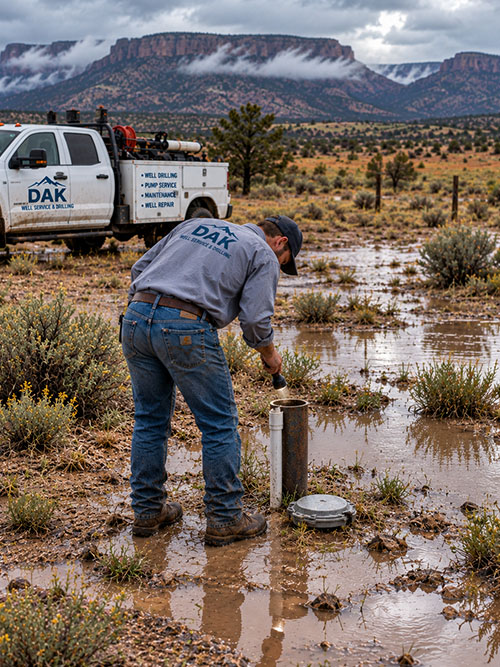
When heavy rainfall causes flooding, surface runoff, or significant erosion, water can accumulate around the wellhead, wash away supporting soil, expose underground infrastructure, and potentially enter the well through damaged or improperly sealed components.
Flooding can affect wells even when a property has not experienced catastrophic damage. Prolonged standing water, saturated ground, and changes in drainage patterns may create problems that are not immediately visible.
Some of the most common concerns include:
- Surface Water Contamination: Floodwater may carry bacteria, sewage, agricultural runoff, fuel, and other contaminants that can enter a compromised well.
- Well Casing Damage: Erosion, debris, and shifting soil can damage or expose well casing and connections.
- Sediment Intrusion: Mud, sand, and fine particles may enter the well or affect pumping equipment.
- Pump System Failures: Flooded electrical components, pressure controls, and damaged equipment can interrupt water service.
- Infrastructure Erosion: Washed-out soil can undermine wellheads, buried water lines, and supporting structures.
- Changes in Water Quality: Cloudy water, unusual odors, discoloration, or sediment may indicate a developing problem.
Because many of these conditions can occur below ground or inside the well system, a professional inspection is often the most reliable way to identify damage and determine what repairs may be necessary.
What Should You Do If Your Water Well Has Been Flooded?
If floodwater has surrounded, submerged, or entered your well, take precautions before returning the system to normal use.
Even clear-looking water can contain harmful microorganisms or chemical contaminants. A well that continues producing water after a flood is not necessarily safe for drinking.
1. Stop Using Potentially Contaminated Well Water
If you suspect floodwater entered your well, do not use the water for drinking, cooking, brushing teeth, washing food, or other activities that could result in ingestion until the water has been evaluated and determined safe.
Boiling may kill many disease-causing microorganisms, but it does not remove chemical contaminants such as fuel, pesticides, or other hazardous substances.
If chemical contamination is suspected, do not assume boiling or household filtration will make the water safe.
2. Inspect the Area Around Your Well
From a safe location, look for standing water, exposed casing, washed-out soil, debris accumulation, or visible changes around the wellhead.
Avoid approaching unstable ground, damaged electrical equipment, or areas where floodwater is still moving.
Do not open the well casing or attempt to remove submerged electrical equipment.
3. Check for Visible Infrastructure Damage
Heavy runoff can expose underground water lines, undermine well pads, and shift surrounding soil.
Look for changes in the ground around your well, pressure tank, water lines, and nearby drainage areas. Document visible damage with photographs when it is safe to do so.
4. Avoid Operating Damaged Pump Equipment
If your pump controls, electrical connections, pressure equipment, or other components were submerged, do not energize or operate the system until the affected equipment has been professionally evaluated.
Operating flood-damaged electrical equipment can create safety hazards and cause additional system damage.
5. Schedule a Professional Water Well Inspection
A qualified well service professional can evaluate the wellhead, casing, pump system, and associated infrastructure for signs of flood damage.
Depending on the findings, additional repairs, water sampling, treatment, or testing may be necessary before normal water use resumes.
Signs Your Water Well May Have Been Damaged by Flooding
Not all flood-related water well problems are immediately obvious. Some issues become noticeable only after water levels recede or the pump system returns to operation.
Property owners should pay attention to changes in water quality, pressure, and system performance following significant rainfall or flooding.
Cloudy, Muddy, or Discolored Water
A sudden change in water clarity may indicate sediment intrusion, disturbed groundwater conditions, or problems with the well casing or system components.
Reduced Water Pressure or Flow
Flooding and erosion can damage underground lines, pressure equipment, electrical components, or pumping systems, resulting in inconsistent water pressure or reduced flow.
Well Pump Running Continuously or Not Starting
A pump that runs unusually often, fails to start, or repeatedly loses pressure may have an electrical, mechanical, or water supply issue requiring professional diagnosis.
Unusual Taste or Odor
Changes in taste or smell following a flood may indicate water quality problems. However, dangerous contamination can also occur without noticeable changes.
Exposed or Damaged Well Casing
Visible cracks, loose connections, exposed piping, or erosion around the wellhead should be evaluated before the system is considered secure.
Sand or Sediment in Faucets
Sand, grit, or unusual sediment in household plumbing can indicate that particles are entering the water system. Continued pumping under certain conditions may accelerate equipment wear.
If you notice any of these warning signs, contact DAK Well Service & Drilling to arrange an inspection and identify the appropriate repair options.
Service Area
We provide water well testing throughout:
- Durango
- Bayfield
- Ignacio
- Hesperus
- Vallecito
- Pagosa Springs
- Cortez
- Surrounding La Plata County areas
Water Well Contamination After Flooding
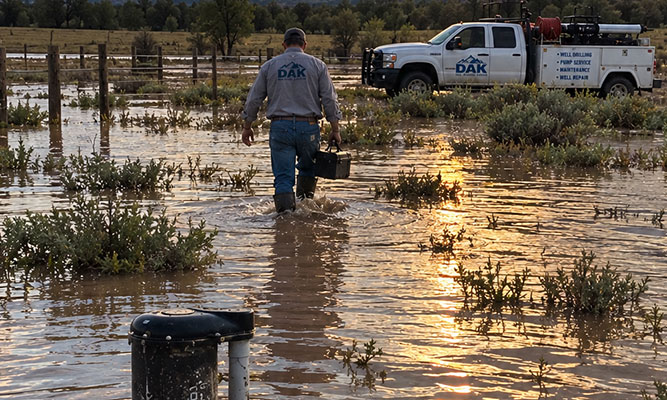
One of the most important concerns following a flood is the possibility of contaminated surface water entering a private well.
Unlike public water systems, private wells are generally the responsibility of the property owner to monitor, maintain, and test.
During significant rainstorms, floodwater can carry contaminants from roads, septic systems, livestock areas, agricultural land, and other surrounding properties.
Potential contaminants include:
- Coliform bacteria and E. coli
- Sewage and septic system waste
- Agricultural fertilizers and pesticides
- Fuel, oil, and other petroleum products
- Sediment and suspended particles
- Other chemical contaminants transported by floodwater
Even wells that were not directly submerged may warrant additional evaluation if nearby flooding damaged the wellhead, altered drainage patterns, or created a pathway for surface water to enter the system.
Why Water Testing Matters After a Flood
Visual inspections alone cannot determine whether well water is safe to drink.
Laboratory testing is an important part of evaluating water quality following suspected flood contamination. Total coliform and E. coli testing are commonly recommended, while additional testing may be appropriate depending on nearby contamination sources and the nature of the flood.
DAK can assist property owners with water testing as part of the process of evaluating their well system.
If contamination is detected, the appropriate response depends on the type of contaminant, the condition of the well, and the potential source of the problem.
Erosion and Structural Damage Around Water Wells
Heavy rainfall can cause significant changes to the landscape surrounding a private water well.
In mountainous terrain, steep drainages, rural valleys, and areas near rivers or seasonal waterways, fast-moving runoff can remove soil, expose underground infrastructure, and compromise the stability of the well site.
Even relatively small changes in the ground surrounding a well can create long-term problems if they are not addressed.
Well Casing and Wellhead Damage
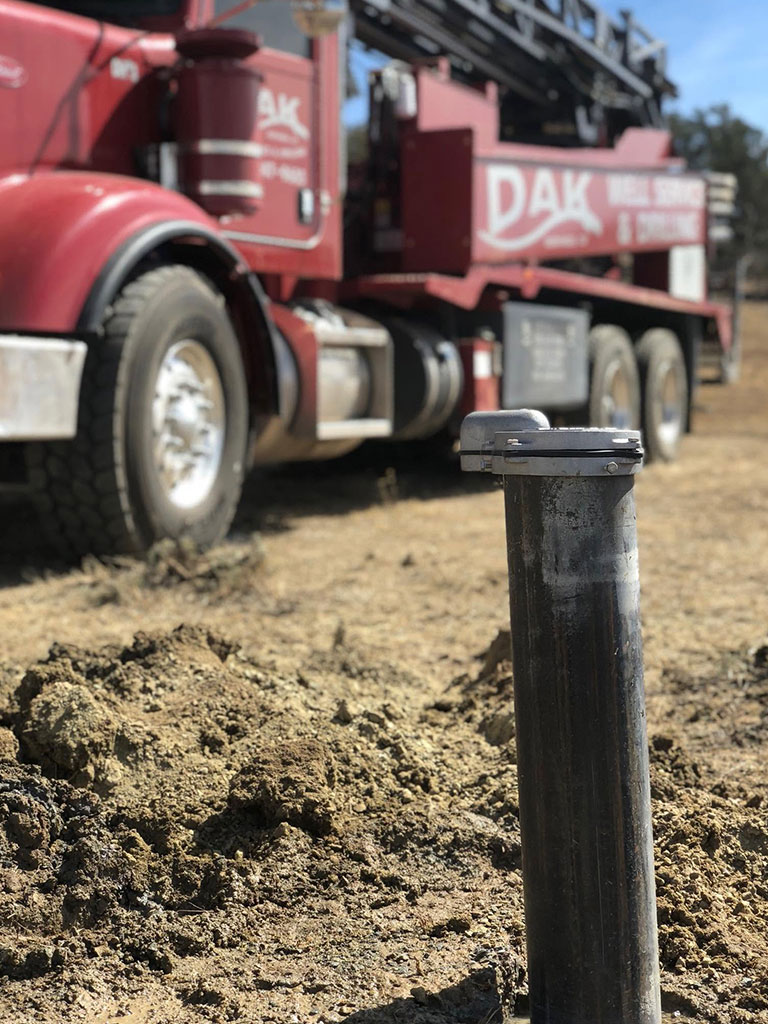
The well casing helps protect the well from surrounding soil and surface contaminants. If erosion exposes, shifts, or damages the casing or wellhead, the system may become vulnerable to additional damage or contamination.
Exposed Underground Water Lines
Flooding can wash away soil covering buried water lines and electrical conduits. Exposed infrastructure may be vulnerable to physical damage, freezing temperatures, and further erosion.
Changes in Surface Drainage
Flood events can redirect runoff toward areas that previously remained dry. Water that begins collecting around a wellhead may create recurring problems during future storms.
Soil Instability and Ground Movement
Saturated soils, slope movement, and erosion can affect the ground surrounding well infrastructure. These conditions may require additional evaluation before repairs can be completed safely.
DAK provides professional well inspections and repair services to help identify damage to well components and determine appropriate solutions. Significant slope instability, drainage reconstruction, or other civil engineering concerns may require additional specialists.
Well Pump Problems After Heavy Rain or Flooding
A water well pump can experience problems following a flood even when the well itself remains structurally intact.
Floodwater can damage electrical equipment, pressure controls, wiring connections, and other components necessary for reliable operation.
In some cases, sediment entering the system may also affect pump performance or accelerate wear.
Common flood-related pump concerns include:
- Pump not starting or repeatedly shutting off
- Reduced water pressure
- Intermittent water flow
- Unusual pump cycling
- Damaged electrical connections or controls
- Sediment-related equipment problems
- Leaks or damage to associated water lines
Water Well Flooding in Southwest Colorado and Northwest New Mexico
The Four Corners region experiences a wide range of weather conditions, from seasonal monsoon storms and flash flooding to rapid snowmelt and prolonged periods of heavy rainfall.
These conditions can create unique challenges for private water wells, particularly on rural properties, agricultural land, mountain homesites, and locations near rivers, creeks, and seasonal drainages.
DAK Well Service & Drilling serves property owners throughout Southwest Colorado and Northwest New Mexico, including the following communities.
Schedule Your Site Visit
Whether you have noticed changes in water quality, experienced a pump failure, discovered erosion around your wellhead, or simply want peace of mind following a significant storm, DAK Well Service & Drilling is here to help.
Serving Durango, Ignacio, Pagosa Springs, South Fork, Farmington, Aztec, Bloomfield, and surrounding Four Corners communities since 1974.
Contact us today to schedule your well inspection and consultation.
Is my well water safe to drink after a flood?
If floodwater entered your well, or you suspect that it did, you should not assume the water is safe to drink. Floodwater can introduce bacteria, sewage, chemicals, and other contaminants. A professional evaluation and appropriate water quality testing are recommended before resuming normal use.
What should I do if floodwater covers my wellhead?
Avoid using the water for drinking or food preparation, and do not attempt to open the well or operate submerged electrical equipment. Once conditions are safe, arrange a professional inspection to evaluate possible contamination and equipment damage.
Can heavy rain contaminate a water well even without visible flooding?
Yes. Heavy rainfall can create contamination risks when surface water enters through damaged well seals, compromised casing, or other openings. However, heavy rain alone does not necessarily mean a properly constructed well has become contaminated.
How do I know if my water well has been contaminated?
Cloudy water, sediment, or unusual odors may indicate a problem, but contaminated water can also appear completely normal. Laboratory testing is needed to identify many harmful microorganisms and chemical contaminants.
Can erosion damage an underground water well?
Yes. Erosion can expose or undermine well casing, water lines, and other infrastructure. Significant soil movement can also affect the stability of the well site and create pathways for surface water intrusion.
Should I have my well inspected after a major storm if it still works?
An inspection may be advisable if floodwater reached the wellhead, significant erosion occurred, electrical equipment was submerged, or you notice changes in water quality or system performance. A functioning pump alone does not confirm that the water is safe.
Can a flooded water well be repaired?
Many flood-damaged wells can be repaired, depending on the condition of the casing, pump system, and surrounding infrastructure. A professional inspection can help determine whether repairs are practical or whether replacement should be considered.
Why did my well lose water pressure after heavy rain?
Reduced water pressure may result from pump damage, electrical problems, leaking water lines, pressure system failures, or sediment-related issues. A well service technician can evaluate the system to identify the cause.
Should I disinfect my well after flooding?
If floodwater entered the well, disinfection may be part of the recovery process after necessary inspection, cleaning, and repairs. However, disinfection does not remove all chemical contaminants, and follow-up laboratory testing is important. Consult a qualified professional before attempting treatment.
How long does it take to restore a water well after flooding?
Recovery time depends on the severity of damage, accessibility of the well, necessary repairs, and water testing requirements. Minor equipment problems may be resolved relatively quickly, while significant structural damage or contamination can require a more extensive recovery process.
Does homeowners insurance cover flood damage to a water well?
Coverage depends on your insurance policy, the cause of damage, and any applicable flood insurance. Standard homeowners policies often exclude flood-related damage. Contact your insurance provider to determine whether your well or pumping equipment is covered.
Who can inspect a flooded water well near Durango, Pagosa Springs, or Farmington?
DAK Well Service & Drilling provides water well inspection, repair, pump service, and water testing assistance throughout Southwest Colorado and Northwest New Mexico. Contact DAK to discuss your property, the conditions affecting your well, and scheduling availability.