The honest answer is—it depends.
Every property is different, and the cost of drilling a well can vary widely based on geology, depth, permitting, and site conditions. Instead of guessing or relying on generic estimates, the smartest first step is understanding what factors influence the process and how to get an accurate, site-specific plan.
This guide will walk you through everything you need to know before hiring a well contractor—and how to move forward with confidence.
What Impacts the Cost of Drilling a Well?
In Southwest Colorado, no two wells are the same. Several key factors determine the scope of your project:
1. Depth of the Well
The biggest variable is how deep the well needs to go to reach a reliable water source. In areas like La Plata County, Durango, Bayfield, and surrounding regions, depths can vary significantly depending on local geology.
2. Geological Conditions
Rock formations, soil type, and subsurface conditions all affect drilling difficulty. Hard rock, fractured formations, or unstable soils can require specialized equipment and techniques.
3. Water Yield Requirements
Are you supplying a single home, an agricultural property, or multiple structures? Higher water demand may require deeper drilling or additional system components.
4. Property Access
Remote or hard-to-reach properties can impact logistics. Steep terrain, limited access roads, or tight workspaces may require additional planning.
5. Permitting & Regulations
Colorado has strict water rights and permitting requirements. Navigating these correctly is critical to avoid delays or compliance issues.
What’s Included in a Well Drilling Project?
Many people assume drilling a well is just about putting a hole in the ground—but it’s much more involved.
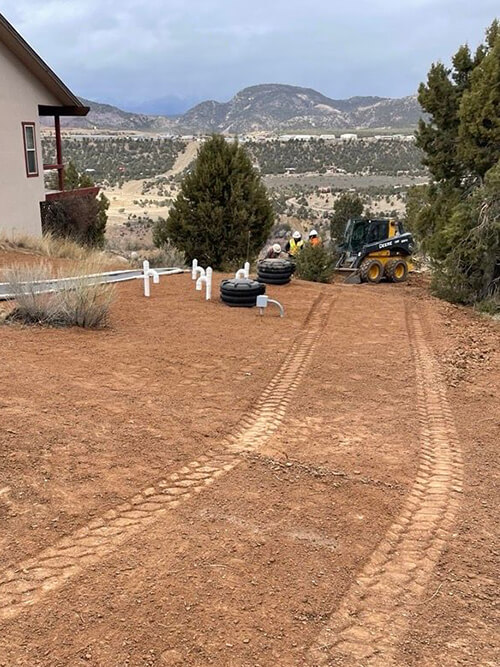
A complete well system typically includes:
- Site evaluation and planning
- State permitting and compliance
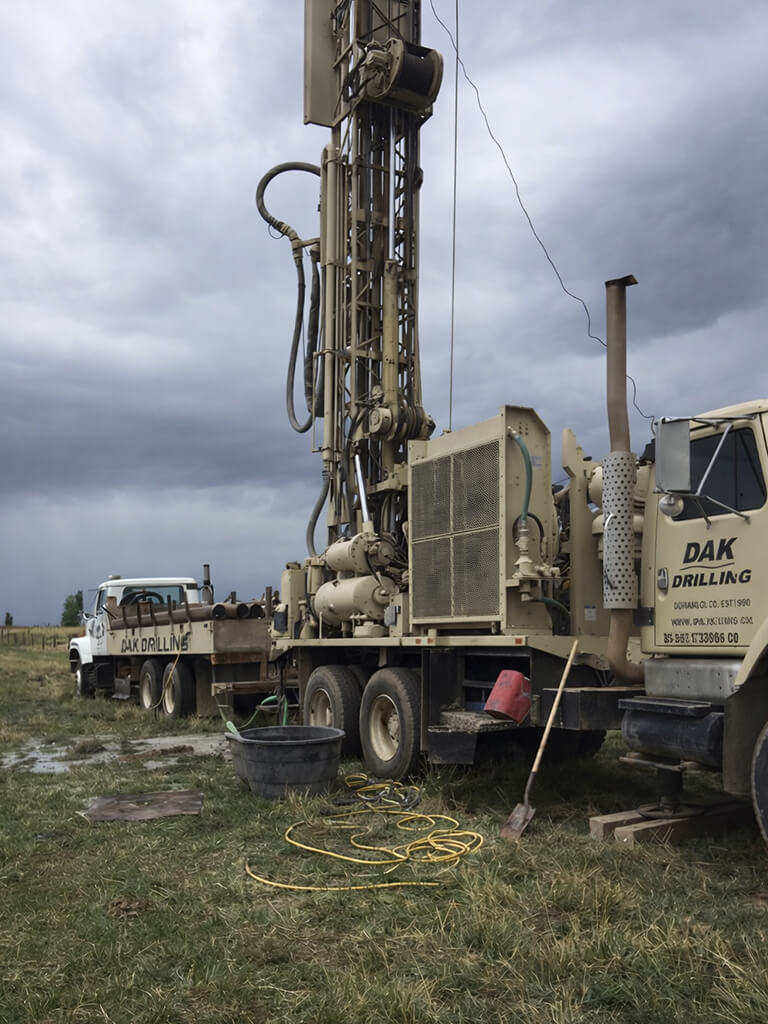
- Drilling and casing installation
- Well development and testing
- Pump system installation
- Pressure tank and controls
- Water quality testing
Each step plays a critical role in ensuring your well is safe, reliable, and built to last. Proper planning ensures the well is placed in the most effective location, while permitting keeps the project compliant with Colorado regulations. The drilling and casing process protects the integrity of the well, and development ensures optimal water flow and clarity. From there, the pump system and pressure tank are installed to deliver consistent water to your home or property. Finally, water quality testing verifies that your water is safe and suitable for use. When handled correctly from start to finish, the result is a dependable system designed to perform for decades.
With over 50 years of experience serving Southwest Colorado and the Four Corners region, DAK Drilling brings unmatched local knowledge, proven expertise, and a reputation for doing the job right the first time.
The Smart First Step: A Well Inspection & Site Evaluation
Before you can get a reliable estimate, you need real data about your property.
At DAK Drilling, the process starts with:
✔ On-Site Inspection
We assess your land, access points, and ideal drilling location.
✔ Geological Insight
Our decades of local experience help identify likely water zones and drilling conditions.
✔ Water System Planning
We evaluate your water needs and design a system that fits your property and usage.
✔ Clear Next Steps
You’ll walk away with a clear understanding of the process, timeline, and what to expect moving forward.
What to Expect During the Process
Working with an experienced contractor makes all the difference. Here’s how a typical project unfolds:
- Initial Consultation & Site Visit
- Permitting & Planning
- Scheduling the Drill
- Well Drilling & Installation
- Testing & System Setup
With the right team, the process is straightforward, efficient, and fully guided from start to finish. Each step in the well drilling process is carefully coordinated to ensure long-term reliability and compliance with Colorado regulations. During the initial consultation, your property is evaluated to determine the best drilling location and overall system needs. From there, the permitting phase ensures everything is properly filed and approved before work begins.
Once scheduled, the drilling and installation phase brings in specialized equipment to complete the well safely and efficiently. After drilling, thorough testing and system setup confirm that your water supply is functioning properly and ready for use. With an experienced team like DAK Drilling guiding the process, you’ll have clear communication, realistic timelines, and confidence every step of the way.
Why You Can’t Rely on Generic Pricing
Online estimates and “average costs” can be misleading—especially in a region like Southwest Colorado where terrain and geology vary so much.
Two properties just a few miles apart can have completely different drilling requirements.
That’s why the most accurate way to understand your project is through a professional on-site evaluation.
Service Area
We provide water well testing throughout:
- Durango
- Bayfield
- Ignacio
- Hesperus
- Vallecito
- Pagosa Springs
- Cortez
- Surrounding La Plata County areas
Schedule Your Site Visit
Ready to Get Started?
Whether you’re building a new home, developing land, or upgrading your water system, DAK Drilling is here to help.
Contact us today to schedule your well inspection and consultation.
How deep does a well need to be in Southwest Colorado?
Well depth varies widely depending on your location and the underlying geology. Some wells reach water relatively quickly, while others require deeper drilling to access a reliable source. A professional site evaluation is the best way to determine what your property will require.
How long does it take to drill a water well?
The drilling process itself can often be completed in a matter of days, but the full timeline—including permitting, scheduling, and system installation—can take longer. Weather, terrain, and demand in the area can also affect scheduling.
Do I need a permit to drill a well in Colorado?
Yes. Colorado requires permits for all water wells, and the process must comply with state water rights regulations. Working with an experienced contractor like DAK Drilling ensures everything is handled correctly from the start.
What factors affect the cost of drilling a well?
Several factors influence the overall project, including well depth, ground conditions, accessibility, water demand, and system components. Because every property is different, an on-site evaluation is necessary to determine the full scope.
Can you drill a well anywhere on my property?
Not always. The best location depends on geology, access for equipment, setback requirements, and optimal water yield. A site inspection helps identify the safest and most effective drilling location.
What happens if no water is found?
While experienced drillers use local knowledge and geological insight to improve success rates, groundwater conditions can vary. DAK Drilling uses decades of regional experience to choose the best possible drilling location and minimize risk.
What is included in a complete well system?
A full well system typically includes the drilled well, casing, pump, pressure tank, and necessary controls. Additional components may be recommended depending on your water usage and property setup.
What should I do before hiring a well drilling contractor?
Start by scheduling a professional inspection and consultation. This allows the contractor to evaluate your property, explain the process, and provide a clear plan tailored to your needs before any work begins.